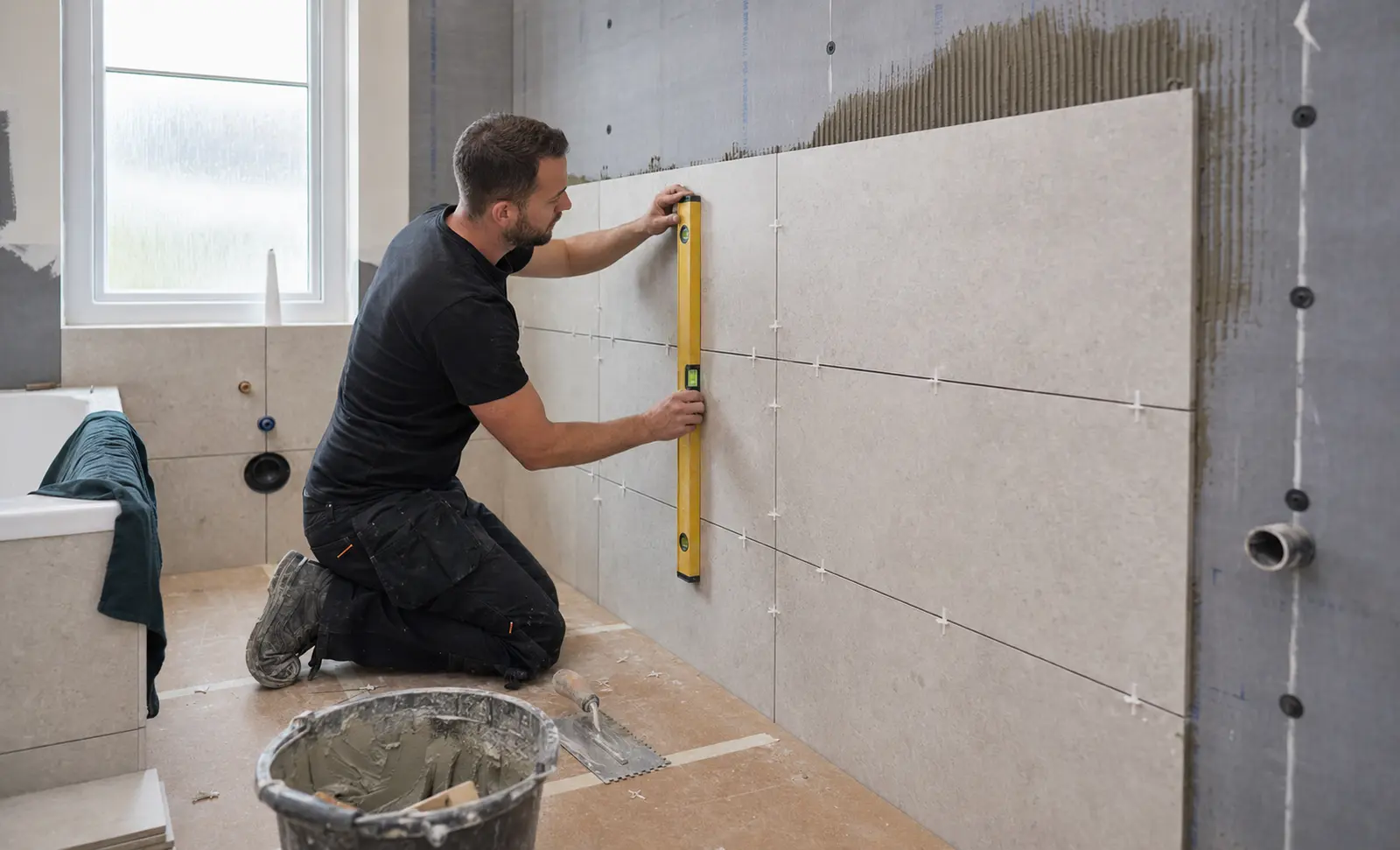
Understand what a home visit can show
A fitter can inspect visible surfaces, measure the room and ask about known problems. That does not reveal every condition behind tiles, under a bath or beneath flooring. An old leak may have damaged materials where nobody can see them. A surface that appears sound can sometimes come away during removal and expose further work.
Tell the person quoting about stains, movement, recurring smells or previous leaks, even if they seem minor. Share any repair records you have. This may help identify likely work, although it cannot guarantee that everything hidden has been found. The quote should distinguish the work already included from repairs that would need a separate agreement if discovered.
Look for the cause of damage
Replacing a stained panel or loose tile without understanding why it failed can leave the same problem behind the new finish. Water may come from a plumbing leak, damaged sealing or another building issue. The appropriate repair depends on the cause and the affected materials. An attractive replacement surface does not make an unresolved leak harmless.
Ask for the problem to be explained in ordinary language. Which parts are wet or damaged? What caused it, if known? What needs replacing, and what can stay? Photographs taken while the room is open can help you understand the work. If the cause is uncertain, that uncertainty should be clear before you agree to a cosmetic cover-up.
For help with your room, see our Fitted Bathroom Costs in Belfast and request a home appointment.
Keep a separate repair allowance
Set aside money for possible repairs instead of using the entire budget on visible fittings. There is no single allowance that is right for every bathroom. A room with a known leak or soft floor presents different questions from a recent installation with no visible problems. Discuss the known condition and the limits of the initial inspection when deciding what you can afford.
Keep this money separate from optional upgrades. A more expensive tap finish or decorative tile can wait if essential repairs use the allowance. Holding money back is not permission for the installer to spend it automatically. Additional work still needs an explanation and an agreed price, except where urgent action is needed to make a situation safe.
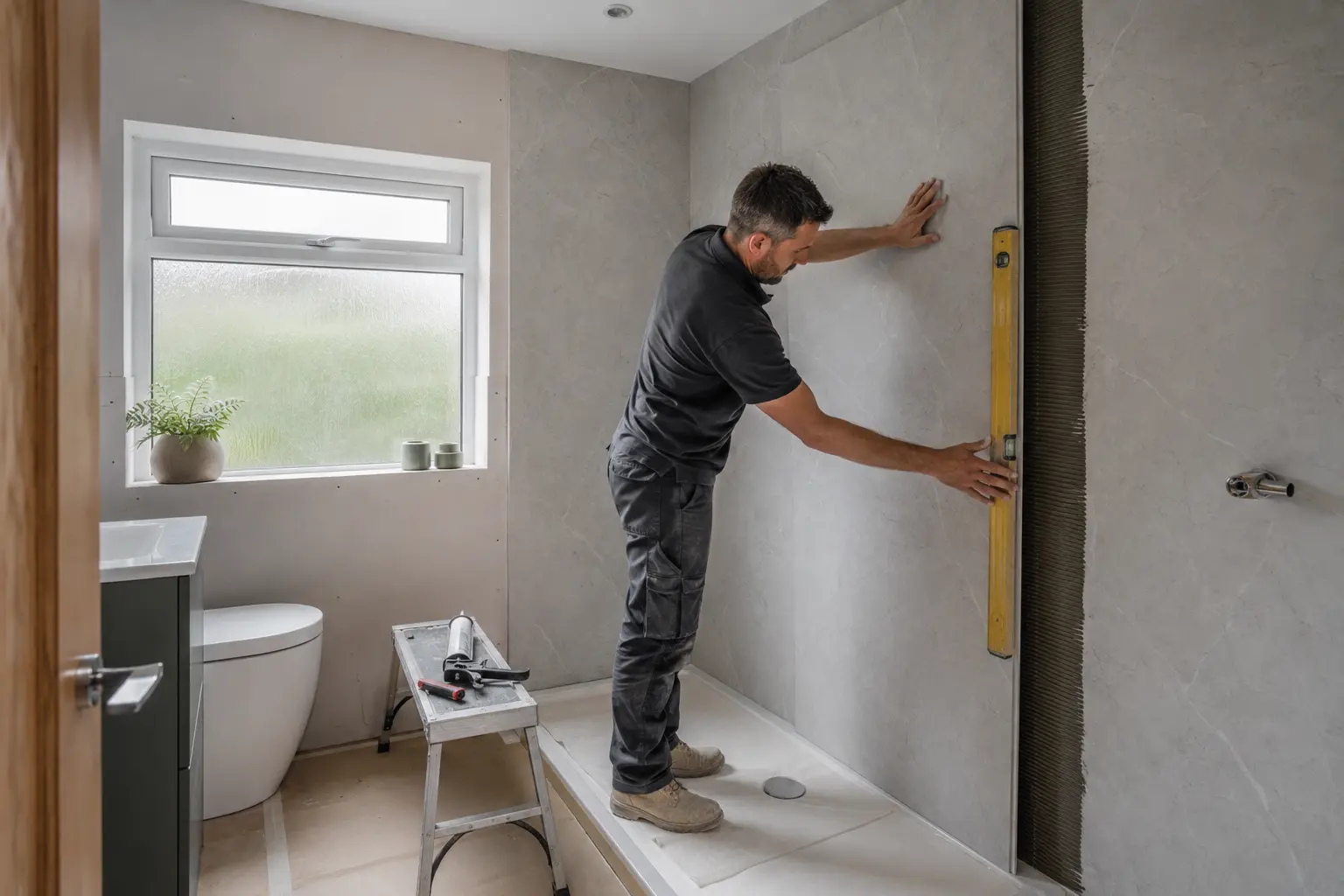
Ask for extra work to be priced clearly
When a hidden problem is found, ask what the proposed repair includes. It might involve removing damaged material, repairing a leak, replacing part of the floor and preparing the surface again. The price should make clear whether those steps and any finishing are included. A vague instruction to sort everything out can lead to disagreement about the final bill.
Keep a written record of your approval, the additional cost and the effect on the installation schedule. If there are alternatives, ask what each would achieve and what limitations would remain. The cheapest option is not helpful if it merely hides the problem. Equally, an extensive replacement needs a clear reason rather than an assumption that all older materials must go.
Understand the effect on timing
Unexpected repairs can change when the new bathroom is ready. Extra materials may be needed, and some work must dry or be checked before the next stage begins. Ask which part of the programme changes and whether the toilet or washing facilities will be unavailable for longer. A repair cost and a delay are separate issues, and both need to be understood.
Avoid pressing for damaged surfaces to be covered simply to preserve the original finishing date. Once new tiles or panels are fitted, returning to the problem may involve removing them again. A realistic update should explain the next step and what information is still missing. Keep temporary washing and toilet arrangements flexible where the condition of the room is uncertain.
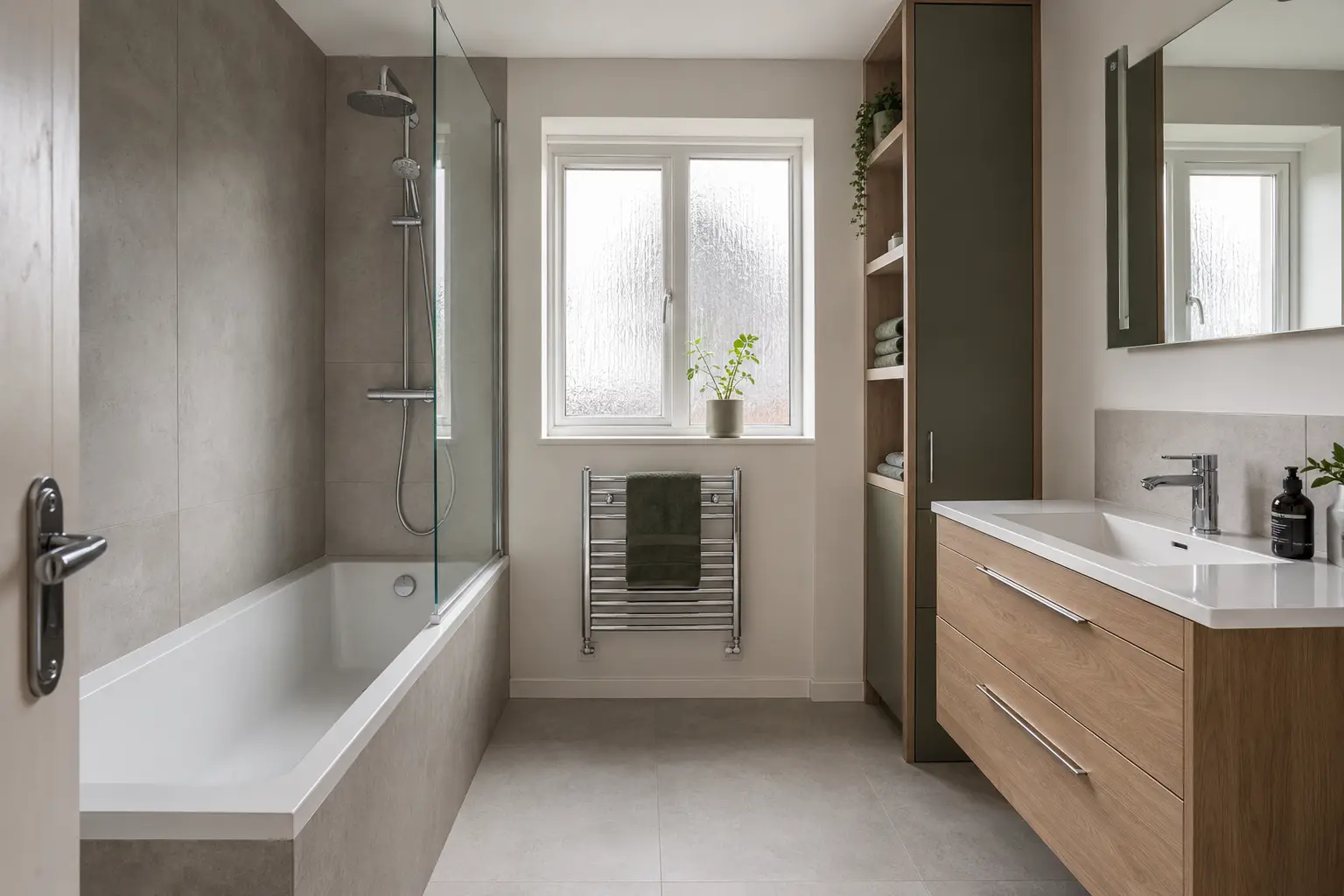
Reduce optional spending before essential work
If repairs take more of the budget than expected, review the optional choices. A simpler tile pattern, different vanity or less costly finish may reduce product or fitting costs, provided changes are still possible. Check whether anything has already been ordered and whether cancellation or replacement would create extra charges. Last-minute substitutions are not always a saving.
Keep essential preparation, waterproofing and suitable connections in the work. Ask for alternatives that still meet the room's needs and the selected product instructions. It is better to understand the revised list of bathroom products and work than to remove important work from a quote without noticing. Record the new products and prices so the final installation can be checked against what you actually agreed.
Keep the repair record after handover
Save photographs of the exposed problem, the agreed repair and any relevant product information. These records can help if you later need to understand where pipes run or what lies beneath the finish. Keep them with the final quote and written changes rather than leaving the information scattered across messages.
At handover, ask whether the repair has any specific care or follow-up requirements. Check the affected area as part of the normal final inspection and record anything still outstanding. The purpose of a repair allowance is to help you deal with a genuine discovery sensibly. It should end with a clear explanation of the completed work and what it cost, not an unexplained addition to the bill.