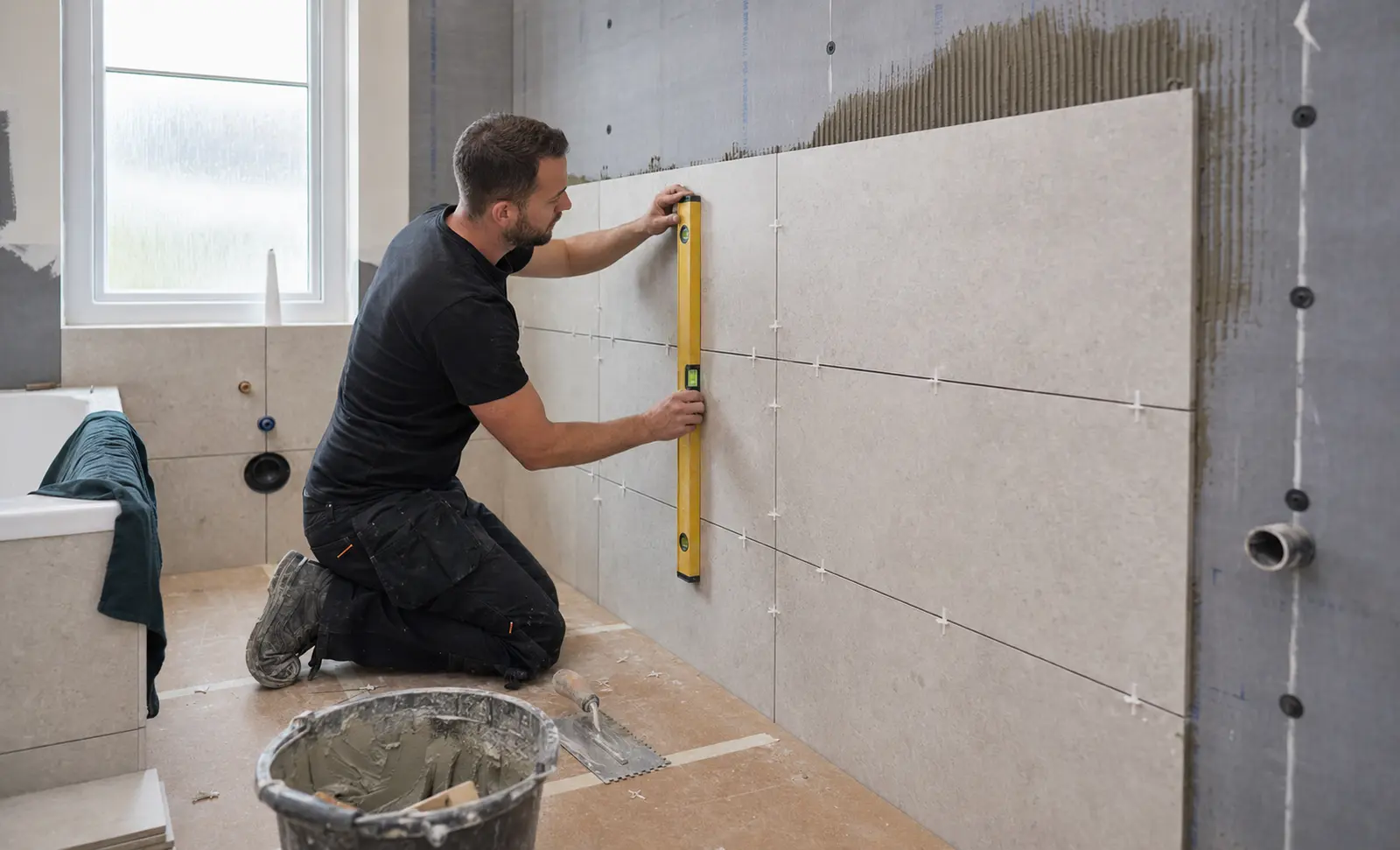
Ask for a schedule for your bathroom
An online estimate cannot tell you exactly how long your bathroom will be out of use. Replacing fittings in their existing positions is different from moving drains, repairing a damaged floor or building a wet-room shower. The size of the room matters, but the work underneath the new finishes can matter more. Start with a schedule based on the agreed quote and the actual property.
Ask which stages depend on the previous stage being finished. Plumbing cannot always be completed before the layout is confirmed, and tiling cannot begin on a surface that still needs repair. A useful schedule explains the work in order and identifies when the toilet and washing facilities will be unavailable. It should also say how changes will be communicated.
Finish product decisions before work starts
Unsettled product choices can hold up fitting. A different shower valve, basin or vanity may need connections in another position. Changing the tile size can alter setting out, trims and the quantity required. Agree the actual models, measurements and finishes before the installation date, rather than assuming the fitter can adjust anything after removal has begun.
Check that the products have arrived with the correct parts and without damage. Glass, furniture and panels need suitable storage while waiting to be fitted. Discuss who checks deliveries and deals with replacements. Having boxes in the house is not enough if an essential fixing, waste or connection is missing when the installer reaches that stage.
For help with your room, see our Bathroom Installation in Belfast: Step by Step and request a home appointment.
Allow time for removal and inspection
The old bathroom has to be disconnected and removed as agreed before the walls and floor behind it can be inspected. Tiles may conceal weak plaster. A bath can hide an old leak or a damaged floor. Removal can therefore be both a work stage and the point where the fitter discovers repairs that could not be priced with certainty during the first visit.
Ask how discoveries will be recorded and explained. If additional work is needed, the price and likely timing should be agreed before it proceeds. Keeping an allowance for repairs can help financially, but it does not make every repair quick. Some problems need further assessment or materials that were not part of the original order.

Preparing Walls, Floors and Pipes
Once the room is clear, the walls and floor need to be ready for the selected finishes. Pipework and electrical routes may need changing before they are covered. This work can look slower than fitting a visible bath or vanity, yet it is what allows the finished bathroom to work properly. A photograph of an empty room does not show how much has been completed.
Ask for updates against the agreed stages rather than judging progress only by visible products. Check that any access needed for concealed fittings has been planned. Do not press for tiles or panels to cover unfinished checks simply to make the room look further ahead. Correct preparation is harder to inspect and repair once the finished surfaces are in place.
Allow Time for Materials to Dry and Set
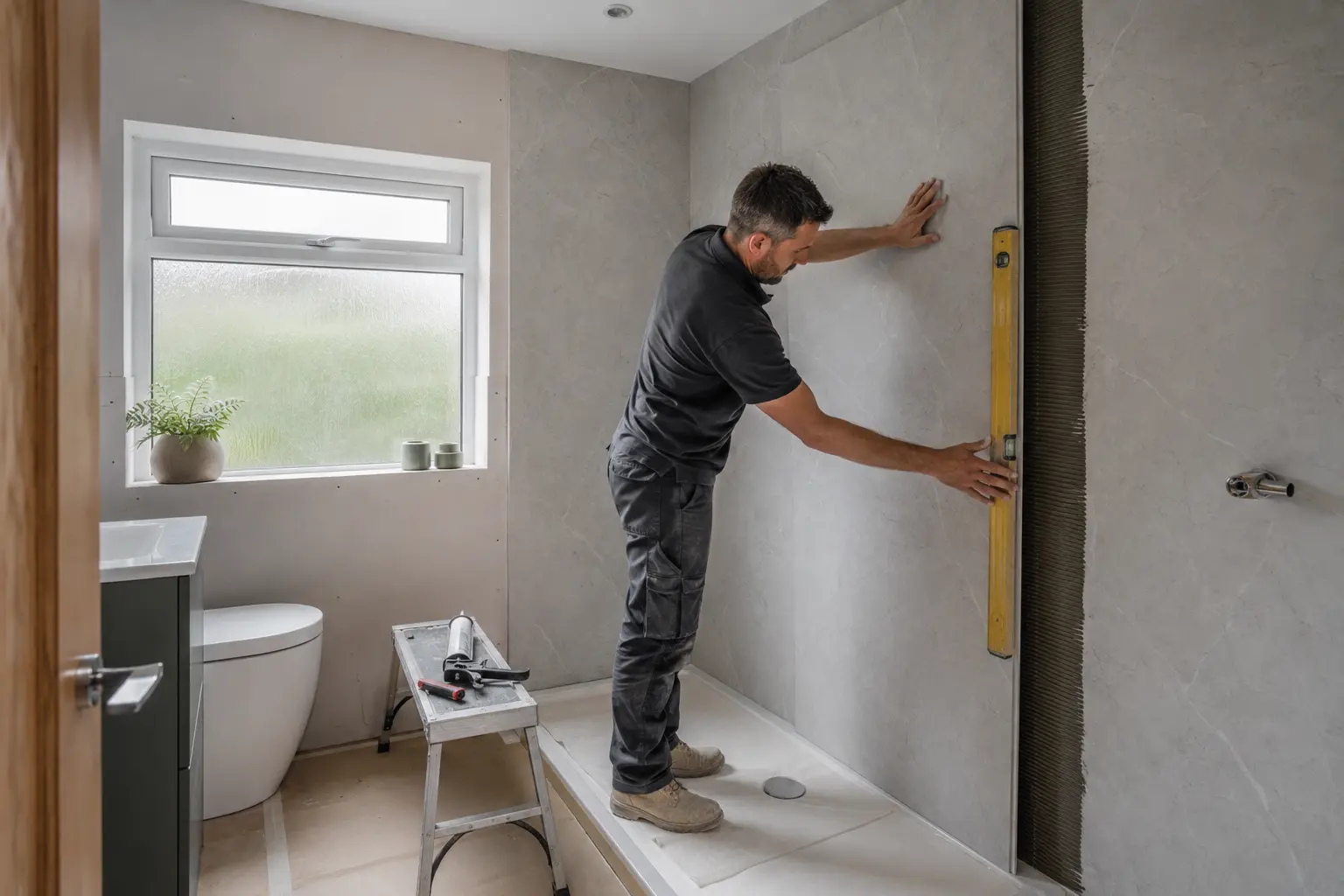
Some materials need time before the next layer can be fitted or the shower can be used. Adhesives, waterproofing products, grout and sealants have their own instructions. Conditions in the room can also affect drying. The fitter should follow the chosen system rather than promise a universal time that ignores the products and installation conditions.
A shower may look complete before it is ready for water. Ask for a clear instruction on when normal use can begin, particularly after final sealing. Avoid using it early because only a small amount of water seems involved. The same care applies to floors and newly fitted surfaces that could be disturbed before the materials have properly set.
Arrange temporary washing and toilet use
If this is your only bathroom, tell the installer early. Ask exactly when each fitting will be disconnected and whether any temporary use can be safely provided. Reconnecting a toilet every evening is not something to assume. A changed floor or drain can make that impossible at certain stages, even on an otherwise straightforward installation.
Work out realistic alternatives before the first day. Keep medicines, toiletries and towels somewhere accessible outside the work area. Agree working hours and the route through the home, including protection for stairs and hallways. These arrangements do not shorten the construction itself, but they can prevent avoidable interruptions and make the period without a bathroom easier to manage.
Leave time for the handover
The final stage should include checks and an explanation of the new fittings. Ask how to operate the shower and fan, where pipes and working parts can be reached and which cleaning products are suitable. Record any remaining jobs with the person responsible and an agreed next step. Do not confuse a room being usable with every item in the quote being completed.
Keep the quote, changes, product information and care instructions together. If the schedule changes, ask which remaining stages have moved and why. A clear update is more useful than a repeated assurance that the work is nearly finished. Your installation should end with a usable bathroom and understandable instructions, not uncertainty about what still needs doing.