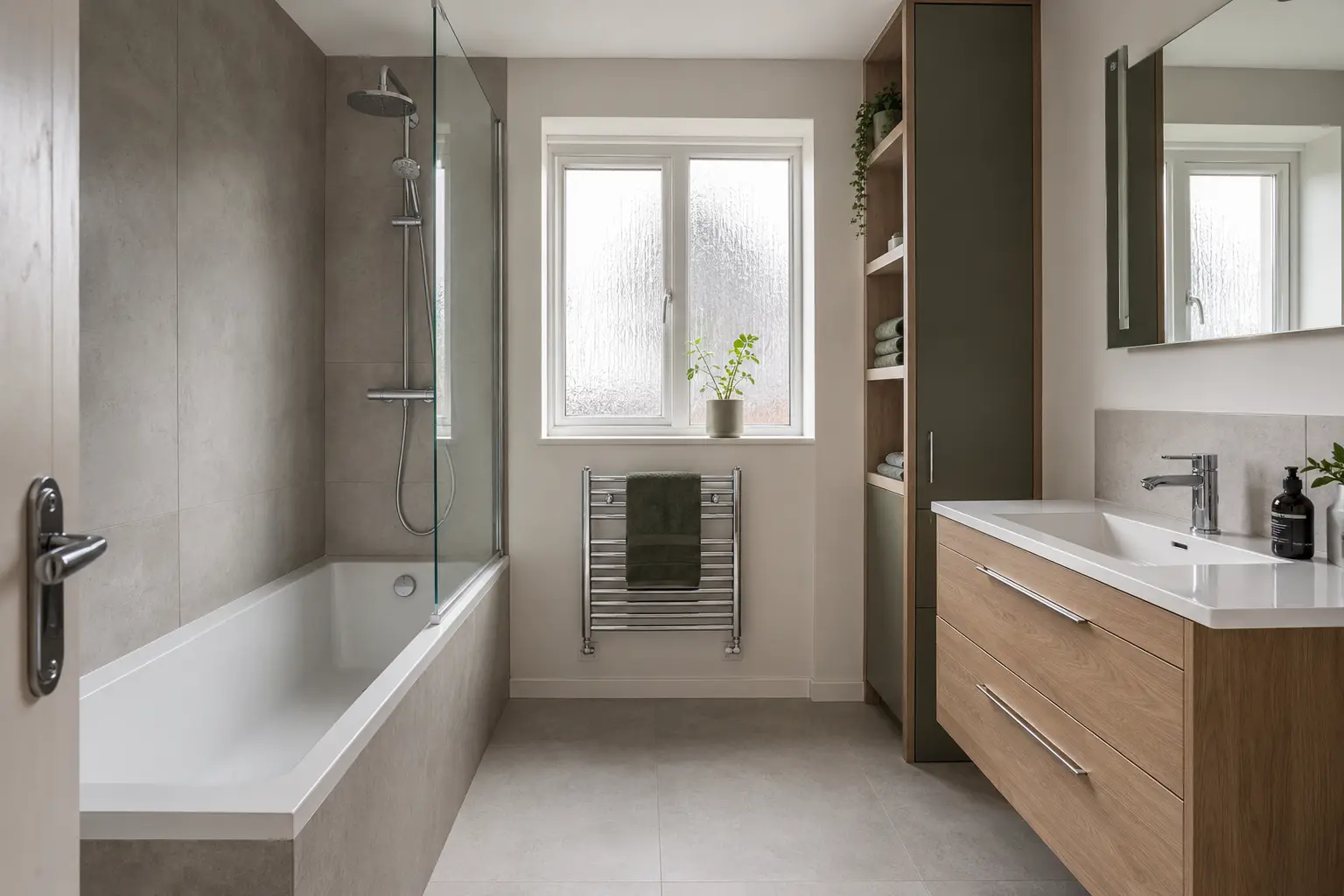
Decide what is wrong with the current bath
Start with the reason for replacement. The bath may be damaged, difficult to get into, too small or simply no longer used. Those are different problems and may lead to different choices. A new bath of the same shape will not solve an access difficulty caused by stepping over its side. Equally, removing a bath may be inconvenient if it is still used regularly.
Look at how the rest of the room works before choosing. A shower over the bath might meet both bathing and showering needs in a compact bathroom. If you prefer a shower conversion, have the tray, entrance and drainage assessed as part of that change. Keep the main purpose clear so a product offer does not push you towards the wrong replacement.
Measure the bath and its delivery route
Record the available space carefully, including the walls, fittings and door opening. The advertised bath size is only part of the installation. Panels, taps, drain fittings and the surrounding finish must also fit. Check usable bathing space and how you will stand beside the bath, especially where the basin or toilet is close.
The replacement must also reach the bathroom. Measure narrow doors, stair turns and shared access where relevant. A bath that fits the room may still be difficult to carry through the house. Discuss handling and delivery before ordering, and agree where the product will be stored until needed. Removing packaging early can expose it to damage during other work.
For help with your room, see our Bathroom Renovations in Belfast and request a home appointment.
Check the Taps and Drain Connections
A replacement bath may have different tap positions or drain connections from the old one. The pipework must suit the selected fittings and remain accessible for maintenance. Ask how the taps will be reached for repair, particularly where they sit against a wall. Concealed connections should not become permanently inaccessible once the bath panel and surrounding surfaces are finished.
Check the shower arrangement at the same time if the bath will be used for showering. The water system needs to suit the selected shower, and the screen must work with the bath edge and nearby fittings. Choosing these items separately can leave awkward connections or clashes. Confirm compatible products and the complete installation method before the old bath is removed.
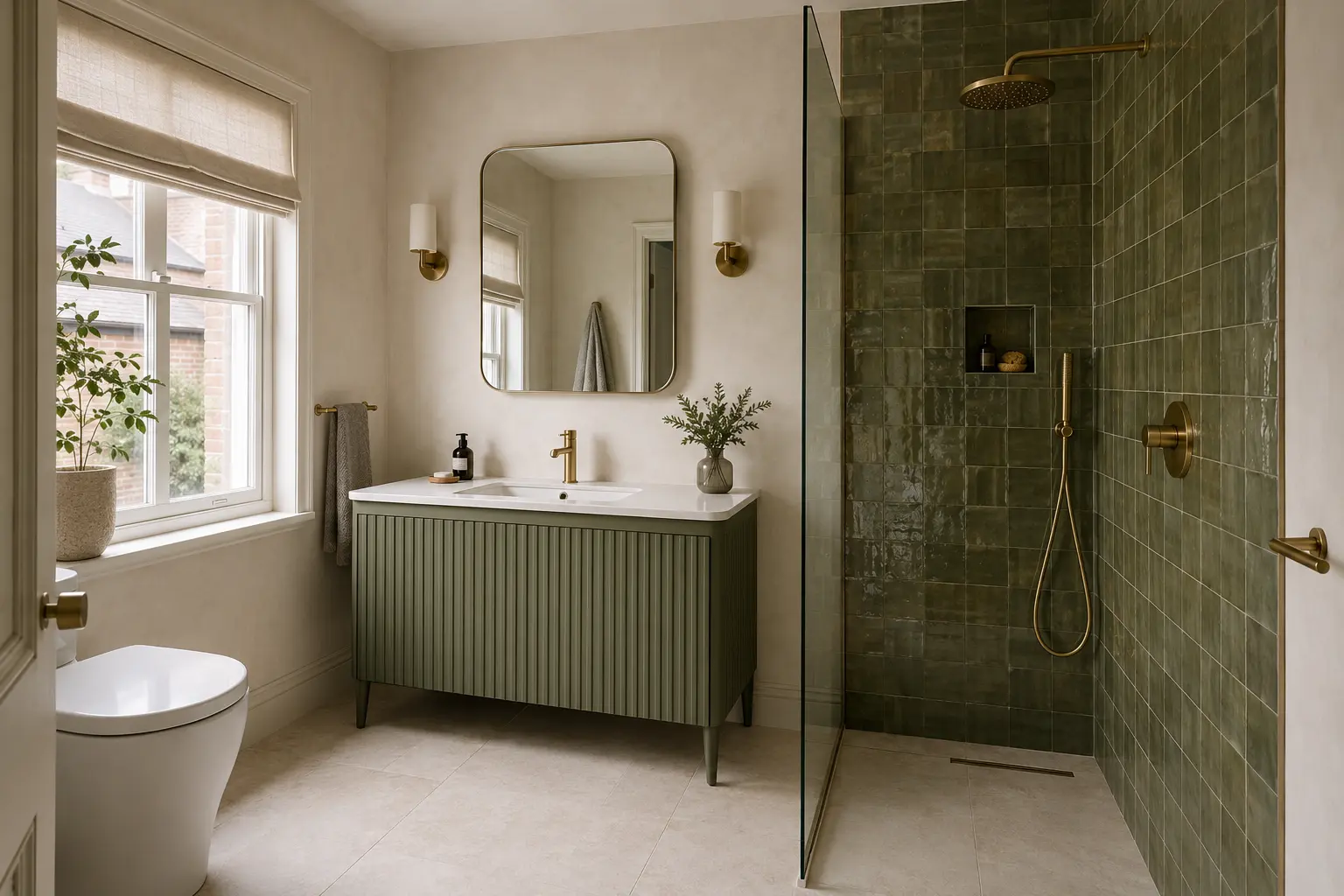
Compare fitted and freestanding options realistically
A fitted bath can use an alcove efficiently and provide a straightforward place for a shower screen where the products are compatible. Its panel should allow suitable access to connections. A freestanding bath needs space around it for cleaning and the appropriate tap and waste arrangement. Its attractive shape does not remove those practical requirements.
Check support and installation requirements for the exact bath, including the floor where needed. Do not assume every model can replace the old one without further work. In a smaller room, enough space to clean and move can matter more than a statement shape. Compare the complete fitted dimensions with the room rather than deciding from a showroom display with generous space around it.
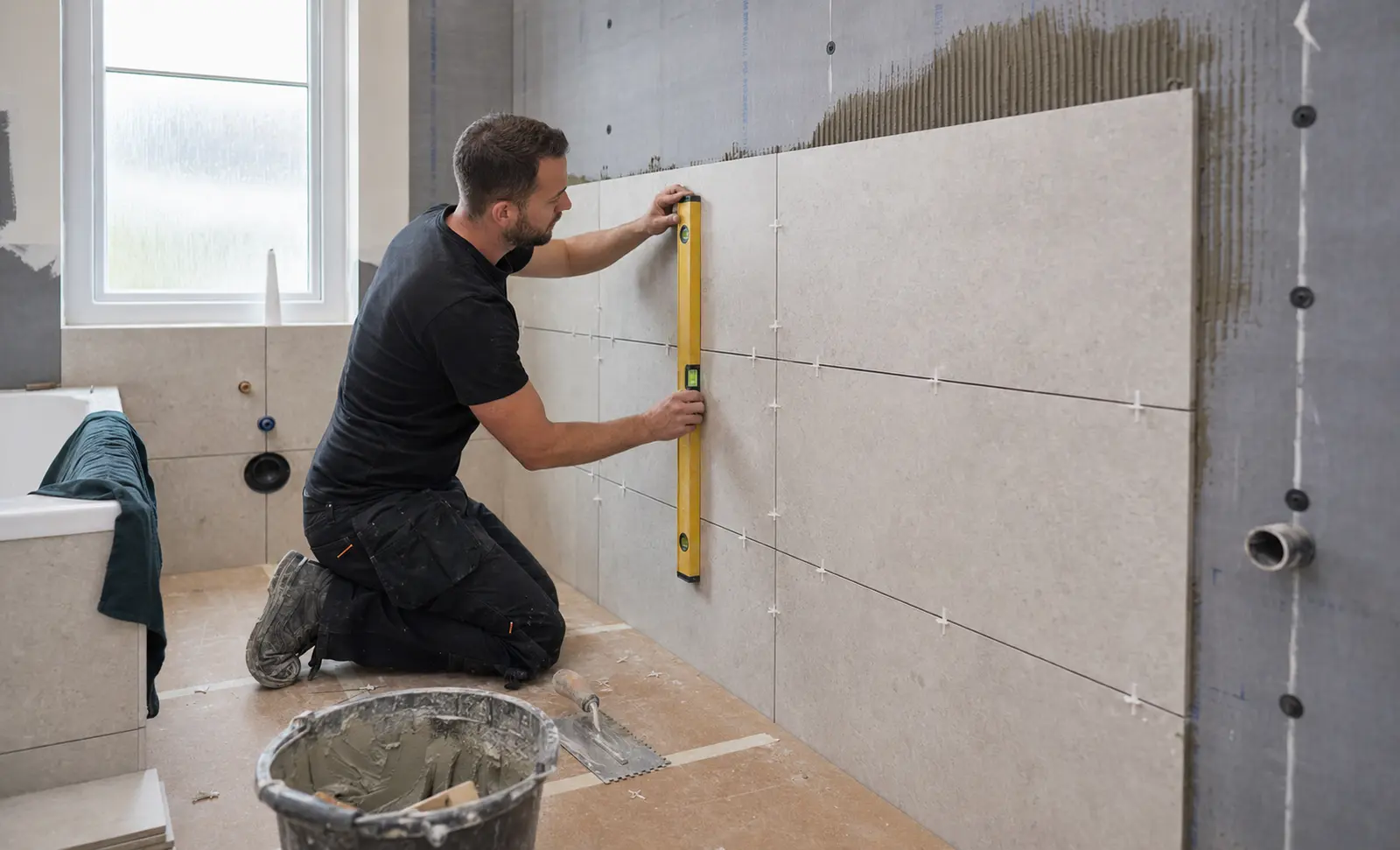
Include surrounding work in the quote
A bath replacement quote should make clear whether it includes removal, disposal, plumbing, panels, taps, drain fittings and repairs to surrounding finishes. If a screen or shower is changing, include those details too. Ask whether decoration or flooring is included where removal affects them. A product-only price will not show the cost of the completed change.
Agree when the bathroom will be unavailable and when the new bath can be used after sealing. Follow the chosen materials' instructions rather than assuming immediate use. If this is the household's only washing facility, arrange alternatives before work starts. Keep the final product list with the quote so the installed bath and fittings can be checked against the agreement.
Check use and access at handover
Ask for the taps, shower controls and bath plug to be demonstrated. Check the bath panel or access arrangement and keep care instructions for the surface and fittings. Record anything still to be completed. If water appears where it should not, report it promptly and avoid continued use of the affected fitting until the issue has been assessed.
Choose cleaning products according to the manufacturer's guidance. Abrasive pads or unsuitable chemicals can damage some bath surfaces and finishes. Keep the product model and any supplied warranty information with the bathroom paperwork. A successful replacement should leave you with a bath that suits your needs and can be maintained, rather than a new fitting surrounded by unresolved work.